Pilgrimage Reflections from the Portuguese Coastal Camino
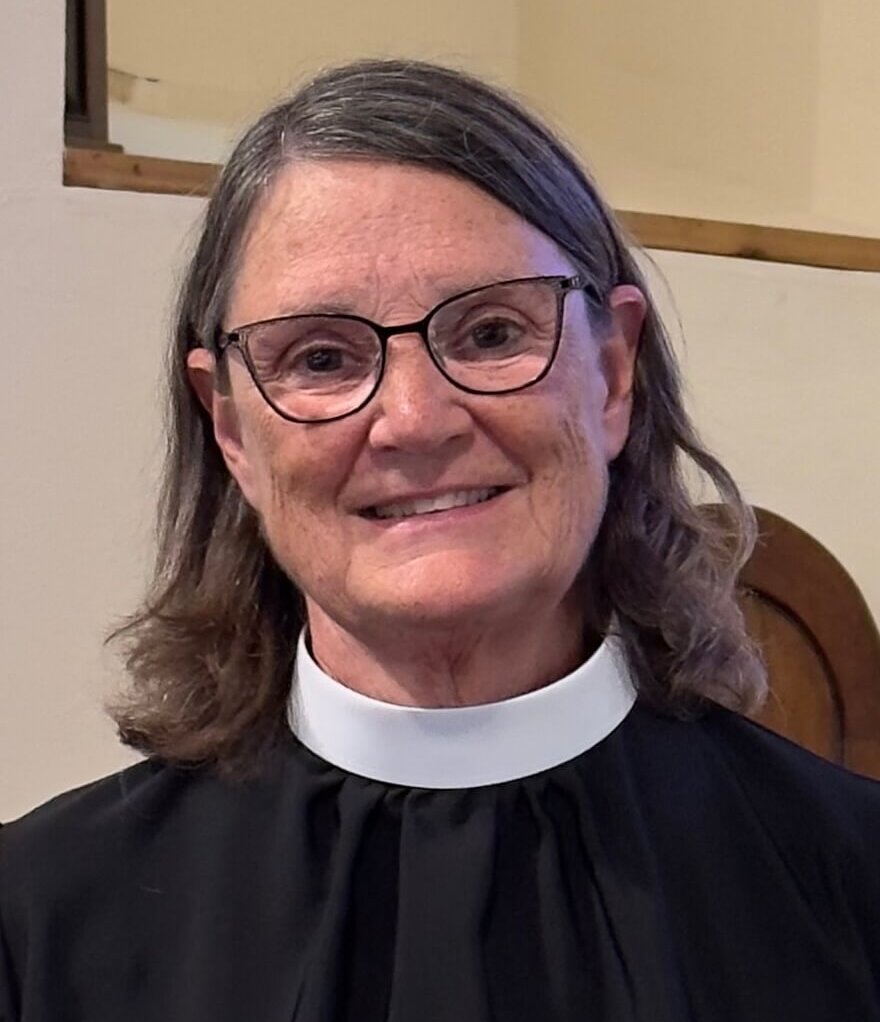

This summer, on July 17th, my daughter Jennifer and I met seventeen fellow pilgrims in Oia, Spain—people we had previously only seen in small Zoom squares. Over the next eight days, we prayed, ate, and walked mile after mile together. Each day brought steep climbs, long descents, rocky paths, smooth pavement, and ancient roads. In the rhythm of shared movement, we quickly became a community.
We were united by a common goal: to reach Santiago de Compostela. Guided by scallop shells and yellow arrows, we encouraged one another, watched out for one another, and celebrated each small victory along the way. Yet each of us was also on a deeply personal journey.
For me, the physical challenge of completing 104 miles of the Portuguese Coastal Route was only part of the reason I felt called to the Camino. Some pilgrims arrive with a specific intention. I arrived simply wanting to be open—open to what the Camino and the Spirit might reveal about my life and my relations
hip with God.

One theme that emerged again and again was the experience of being a stranger. I found myself returning to Deuteronomy 10:19: “You must love the stranger, for you were strangers in the land of Egypt.” On the Camino, I truly was the stranger. I did not speak the language. I did not know the customs. And although I had Google maps and AllTrails, I often had no real sense of where I was or whether I would have internet service to guide me.
This gave me a new, humbling perspectiv

e on what it must feel like for immigrants who leave behind everything familiar and begin again in a place where nothing feels known. The vulnerability of that experience stayed with me.
Another theme was the generosity and compassion we encountered. At one roadside stand, a handwritten sign read: “Need something, take something. Have some, give something.” The person running the stand refused to discuss cost. Drivers honked and waved encouragement as they passed. Not once did anyone imply that we didn’t belong. Not once did anyone show impatience because we didn’t speak the language. I had been told that “the Camino always provides,” and by the grace of God, I saw this truth lived out daily.

It is difficult to fully capture my Camino experience in words. The pilgrimage was filled with contrasts—physically, mentally, and spiritually demanding, yet simple, grounding, and deeply fulfilling. In many ways, although I am home now, I feel that I am still on Camino. I suspect I will be reflecting on and integrating this journey for a long time to come.


Comments